Why Choose Science Laboratory Equipment for Your Lab?
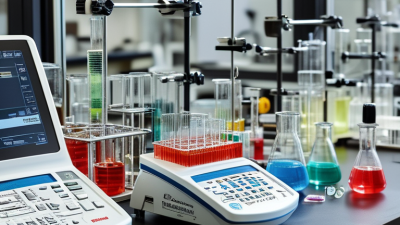
Choosing the right Science Laboratory Equipment shapes how confidently a laboratory can work, record results, and improve.
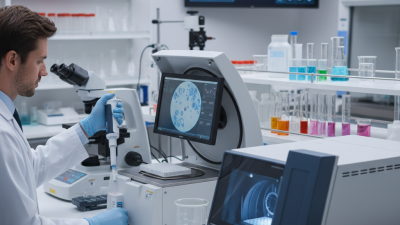
A microscope with stable illumination reveals clearer cellular details. A calibrated balance prevents small weighing errors from becoming large reporting problems. Reliable centrifuges protect sample consistency when temperatures, speeds, and processing times matter. These details may seem ordinary, but daily laboratory experience proves otherwise. One loose connector can interrupt a careful afternoon.
Former NIST Director Dr. Willie E. May stated, “Measurements are the foundation of all science and technology.” His observation explains why equipment selection requires more than comparing prices. Laboratories need instruments with documented accuracy, durable materials, clear operating procedures, and accessible maintenance support. Certificates of calibration, warranty terms, and service records also strengthen confidence in reported findings. Good suppliers should explain limitations instead of promising perfect performance.
Still, equipment alone cannot guarantee excellent science. Users may overlook cleaning routines, operator training, or environmental conditions. Even an advanced analyzer can produce questionable data beside a vibrating bench or unstable power supply. That uncomfortable possibility deserves attention. A practical laboratory therefore evaluates the complete working environment, not only the instrument’s specifications.
The best Science Laboratory Equipment supports repeatable procedures, safer handling, and efficient collaboration. It also leaves room for future methods and changing research demands. Careful selection may cost more initially, yet replacement, downtime, and unreliable results often cost more later. A thoughtful decision is not about owning the most sophisticated device. It is about choosing dependable tools that fit real work.
Definition and Purpose of Science Laboratory Equipment
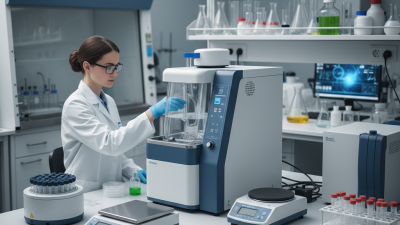
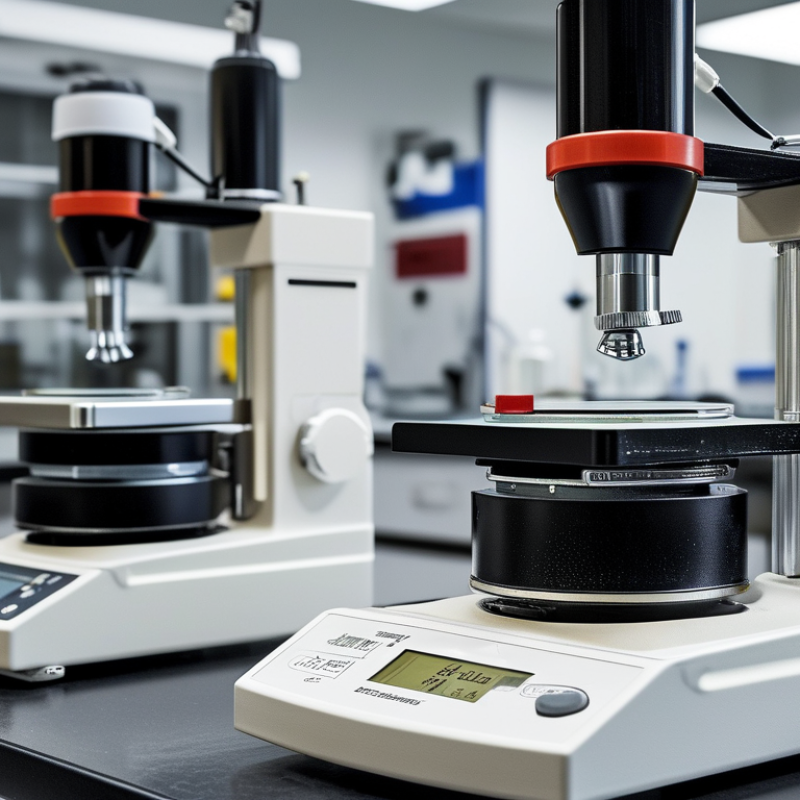
Science laboratory equipment refers to the instruments, apparatus, and systems used to observe, measure, control, or preserve scientific materials. It includes analytical balances, pH meters, centrifuges, microscopes, incubators, and ventilation devices. Each tool converts a physical process into usable evidence. A balance measures mass. A centrifuge separates samples by density. A fume hood controls hazardous vapors. The purpose is practical: improve accuracy, protect users, and make experiments repeatable. Measure carefully.
The World Health Organization’s Laboratory Quality Management System handbook identifies equipment management as a core part of reliable laboratory operations. The UNESCO Institute for Statistics reported global research and development spending at 1.93% of GDP in 2021. OECD data placed average R&D intensity across member economies at about 2.7% of GDP in 2022. These figures show sustained investment in scientific work, where dependable equipment remains essential. Yet expensive equipment is not automatically better.
A suitable instrument should match the method, sample volume, accuracy requirement, and maintenance capacity. A basic pH meter can outperform an advanced model when calibration is neglected. That is an uncomfortable point. Equipment also needs documented checks, trained operators, stable power, and accessible replacement parts. ISO 15189:2022 emphasizes competence, traceability, and controlled laboratory processes. In daily work, a clear display, clean bench space, and a readable maintenance log may matter more than impressive specifications. Mistakes still happen. Good equipment only makes them easier to detect.
Key Types of Equipment Used in Modern Laboratories
Why Choose Science Laboratory Equipment for Your Lab?
Modern laboratories depend on equipment that makes observations measurable and repeatable. A carefully calibrated analytical balance can detect tiny mass differences during sample preparation. Microscopes reveal cellular structures that remain invisible to the unaided eye. For separation work, centrifuges divide materials according to density and speed. These instruments support practical decisions, not just impressive demonstrations.
Precision matters here.
Pipettes deliver controlled liquid volumes, while spectrophotometers measure light absorption in prepared samples. Incubators maintain stable temperature conditions for controlled biological studies. Refrigerators and ultra-low-temperature freezers protect sensitive materials during storage. Fume hoods help control hazardous vapors, and autoclaves treat suitable laboratory waste and reusable tools through pressurized steam. Each device needs documented maintenance, user training, and routine performance checks.
Equipment selection should match the laboratory’s methods, sample volume, and available facilities. In my experience, a reliable pipette often improves daily work more than an advanced instrument used rarely. Digital monitoring can record temperature changes, calibration dates, and operating errors. That evidence supports traceability and professional review.
However, no equipment list is perfect. Budget limits, crowded benches, and inconsistent cleaning can reduce performance. A technically strong setup still needs careful habits. Small oversights matter.
How Laboratory Equipment Supports Accurate Research
Why Choose Science Laboratory Equipment for Your Lab?
How Laboratory Equipment Supports Accurate Research
Accurate research begins with equipment that controls small variables. A calibrated balance can detect changes of a few milligrams. A stable temperature chamber protects samples from unwanted fluctuations. These details influence every recorded result.
Good laboratory equipment also improves repeatability. Researchers can use the same settings across multiple trials. Clear digital readings reduce confusion during busy procedures. Proper pipettes help deliver consistent liquid volumes. Even a slight volume error can change a chemical reaction or biological measurement.
In practice, equipment needs regular inspection. Calibration records, clean surfaces, and careful maintenance support reliable data. A centrifuge with an uneven load may create inconsistent separation. A damaged seal can also affect pressure or temperature control. These problems are easy to overlook.
I have found that simple habits matter. Label samples immediately. Check the display before recording results. Keep a second measurement when the outcome seems unusual. Not every unexpected result indicates new science; sometimes the instrument needs attention. Still, no device removes human judgment. Researchers must understand the equipment, follow validated procedures, and question results that do not fit the evidence. Good tools support accuracy, but disciplined use makes that accuracy meaningful.
Why Choose Science Laboratory Equipment for Your Lab?
How Laboratory Equipment Supports Accurate Research
The chart shows the maximum permitted capacity tolerance for Class A volumetric flasks at common sizes.
Lower tolerance values indicate tighter volume control, helping laboratories prepare solutions more consistently
and improve the reliability of quantitative research.
Reference: ASTM E288, Standard Specification for Laboratory Glass Volumetric Flasks.
Factors for Selecting Equipment for Your Laboratory
Choosing science laboratory equipment should begin with the work, not the catalogue.
Consider sample volume, operating temperature, accuracy, and daily workload. A small teaching lab may need simple controls, while a testing facility requires stronger repeatability. Record the required measurement range before comparing models. This prevents attractive features from replacing practical needs.
I once selected equipment mainly because its specifications looked impressive.
The controls were complicated, and new users needed extra training. That experience changed my approach. I now check whether staff can operate the system safely after clear instruction. Examine calibration records, maintenance access, cleaning requirements, and available technical support. Documentation matters. So does response time when equipment stops working.
Laboratory compatibility deserves close attention.
Confirm power requirements, bench space, ventilation, software connections, and material resistance. A device that fits physically may still interfere with nearby instruments. Ask for performance data under conditions similar to your own. Independent testing records can strengthen confidence, especially for sensitive measurements. Keep a realistic budget for consumables, calibration, repairs, and staff training. The cheapest purchase may become expensive through frequent downtime. I still sometimes underestimate training time, so that estimate deserves a second review.