Global buyers are showing stronger interest in premium powdered tea, and Ceremonial Matcha Powder sits at the center of this shift. Grand View Research’s Matcha Market Size, Share & Trends Analysis Report identifies rising demand for premium tea, wellness beverages, and clean-label ingredients. IMARC Group’s Matcha Tea Market report also forecasts continued market expansion, supported by specialty cafés, e-commerce, and functional beverage development.
The opportunity is attractive, but sourcing requires more than a bright green appearance. Quality begins with shade-grown Tencha leaves, careful steaming, low-temperature drying, and fine stone milling. A good powder should dissolve smoothly, release a fresh vegetal aroma, and leave a balanced umami finish. Tiny details matter. Clumps can signal moisture exposure. A dull color may indicate oxidation or poor storage.
Professional buyers should request origin records, harvest information, certificates of analysis, and batch-level traceability. Testing should cover pesticide residues, heavy metals, microbiological safety, and moisture content. HACCP and ISO 22000 systems can strengthen supplier evaluation, although certification alone does not guarantee excellent flavor. Japan’s Ministry of Agriculture, Forestry and Fisheries provides valuable reference material on tea production, processing, and export practices.
One concern remains. “Ceremonial grade” has no universally enforced global definition. Suppliers may use the term differently. Therefore, buyers should judge measurable specifications, sensory samples, documentation, and supply consistency together. A reliable sourcing program connects the vivid cup in a tasting room with the sealed, traceable package delivered across borders. It is promising, but not effortless.
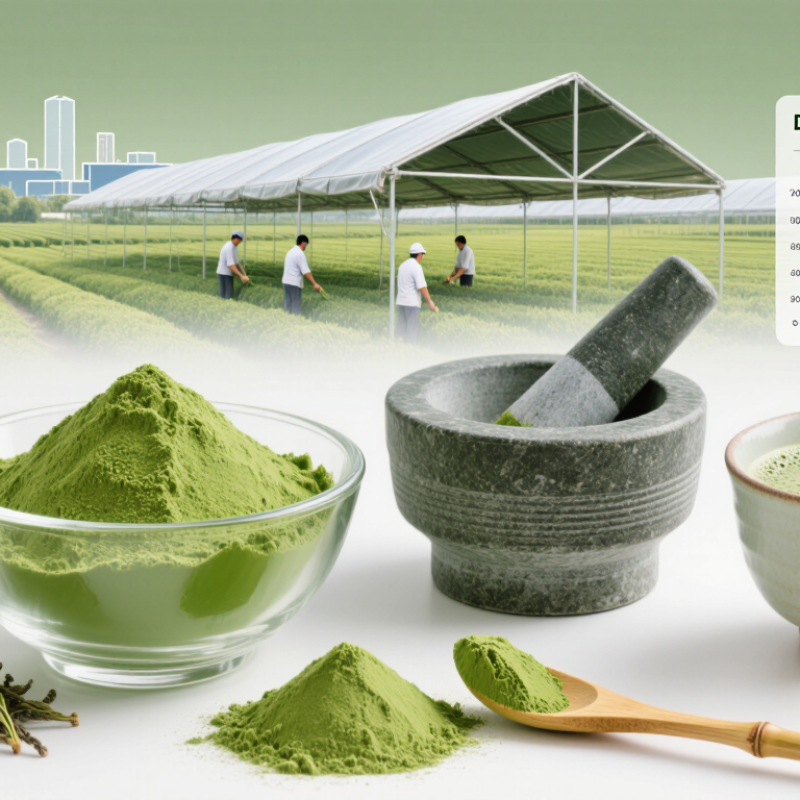
Ceremonial matcha powder is finely ground green tea made from carefully selected leaves. The plants are commonly shaded before harvest, which helps preserve chlorophyll, amino acids, and a softer flavor. After picking, the leaves are steamed, dried, deveined, and slowly milled into powder. The result should feel smooth between the fingers, not sandy.
Color matters, but it is not the whole story. High-quality ceremonial matcha usually shows a bright jade tone, a fresh grassy aroma, and gentle umami. When whisked with warm water, it should create a fine layer of foam.
A useful preparation test uses about two grams of powder and 60–70 milliliters of water below boiling temperature. Water that is too hot can make the taste sharp.
The word “ceremonial” is not regulated worldwide, so buyers should examine evidence rather than rely on the label. Ask suppliers about growing region, harvest season, processing methods, and storage conditions. Independent testing for pesticide residues, heavy metals, and microbiological safety adds practical confidence. Airtight, light-resistant packaging also helps protect color and aroma during global shipping.
Taste can vary.
A bitter finish does not always indicate poor quality; it may reflect water temperature, dosage, age, or storage. This is where sourcing decisions require careful records and repeated samples. A vivid green powder may look impressive, yet reliable documentation should carry equal weight.
Ceremonial matcha begins with careful cultivation. Tea plants are shaded for about three weeks before harvest. This reduces sunlight and encourages deeper green color and a richer savory taste.
Workers usually pick young leaves during the first harvest season. These leaves are steamed quickly to prevent oxidation. They are then dried, sorted, and stripped of stems and veins. The remaining leaf, called tencha, is slowly ground between stone surfaces. The powder should feel exceptionally fine, almost like soft flour.
Grading requires more than a bright label. “Ceremonial” is widely used, but it is not a single global legal grade. Reliable buyers should examine harvest date, growing region, processing records, and laboratory reports.
Sensory checks also matter. High-quality powder often shows a vivid green tone, fresh vegetal aroma, smooth foam, and a balanced umami finish. Harsh bitterness, dull color, or a gritty mouthfeel can suggest poor storage or rushed milling. Ask about moisture control and contaminant testing.
A practical tasting test uses cool water first.
Hot water can hide defects. No grading system is perfect. Personal preference still affects judgment, especially when sweetness and bitterness vary. Even premium-looking matcha may disappoint if exposed to heat, light, or air during shipping.
For global sourcing, transparent records and consistent samples matter more than elegant terminology. The best decision combines sensory evidence, technical documentation, and repeatable supplier communication.
Ceremonial matcha suits global sourcing because its quality can be evaluated through clear, practical standards. Buyers can assess shade-grown leaves, fine texture, vivid color, aroma, and balanced umami. Experienced importers also request harvest dates, origin records, milling details, and batch-level laboratory reports. These records support traceability and help separate careful production from attractive packaging. Still, color alone can mislead. Good matcha needs sensory review and documented testing.
For international supply ceremonial matcha must travel in packaging that limits light, oxygen, heat, and moisture. Small sealed tins or pouches, packed inside protective cartons, reduce exposure during handling. Suppliers should describe storage temperatures and provide realistic shelf-life guidance. Importers must check pesticide limits, microbiological standards, labeling rules, and customs requirements in the destination market. Requirements differ. A familiar specification may not satisfy every country. Reliable sourcing depends on communication, not assumptions.
Ceremonial matcha offers useful consistency for cafes, retailers, and foodservice buyers when production records remain stable. Samples should be compared across several lots, not judged from one perfect cup. I would also test whisking performance after transport, because fine powder can absorb moisture quickly. That weakness matters. Premium grading does not guarantee identical flavor every season. Weather, harvest timing, and milling conditions can change the profile. A transparent supplier explains these variations and corrects problems with evidence, rather than promises. This practical honesty makes long-distance purchasing more dependable, even when the product is not flawless.
Why Choose Ceremonial Matcha Powder for Global Sourcing?
“Ceremonial” is a market term, not a universal legal grade. Quality must be verified through measurable evidence. Grand View Research estimated the global matcha market at about USD 2.15 billion in 2023, with strong growth expected through 2030. Rising demand increases the risk of vague claims. A bright green color alone proves little. Shade duration, harvest timing, leaf maturity, and stone-milling conditions all affect taste and performance.
Origin deserves precise documentation. Japan’s Ministry of Agriculture, Forestry and Fisheries reported roughly 76,000 tonnes of national tea production in 2023. However, that figure covers all tea, not matcha. Suppliers should identify the prefecture, farm region, harvest season, and whether the powder comes from tencha. Ask for lot-level traceability. Details matter. Sensory checks should include fresh umami, a clean finish, fine texture, and limited bitterness. These checks are useful, but personal taste can mislead.
Supplier credentials require more than an attractive certificate. Request a current certificate of analysis covering pesticide residues, heavy metals, microbial safety, moisture, and caffeine. Confirm testing laboratories and sampling dates. Food-safety systems such as HACCP or ISO 22000 can strengthen confidence, but they do not replace product testing. Organic claims also need certification for the relevant market. I would treat inconsistent documents as a warning, even when the powder looks excellent. Grand View Research’s market estimates vary from other analysts, reminding buyers that commercial data is directional, not absolute. A careful sourcing decision combines reports, laboratory evidence, factory records, and a retained sample from every lot.
Ceremonial matcha can support premium beverage, dessert, and hospitality applications. Yet international procurement should begin with evidence, not appearance. Grand View Research estimated the global matcha market at approximately USD 3 billion in 2023, with continued growth expected through 2030. That forecast signals opportunity, but not automatic profitability. Buyer demand differs across cafés, retailers, and food manufacturers.
Define the application before selecting the powder. For direct drinking, assess color, aroma, bitterness, particle size, and foam performance. For bakery use, prioritize stability, cost, and flavor after heating. Request a batch-specific certificate of analysis, including microbiological results, heavy metals, pesticide residues, moisture, and origin documentation. Test samples under your actual recipe. A bright green powder can still perform poorly in milk.
Plan procurement around harvest timing, lead times, customs documents, and storage conditions. Light, heat, oxygen, and humidity quickly weaken matcha’s color and aroma. Use sealed, food-grade packaging and confirm transport temperature controls where necessary. Regulations also vary by destination; pesticide maximum residue limits must be checked against the importing market, not assumed from the exporting country. “Ceremonial” is widely used commercially, but it is not a universally regulated quality grade. That deserves caution. A practical scorecard combining laboratory results, sensory trials, supplier traceability, and landed cost is more reliable than a premium label alone.
Some sourcing plans still underweight failure costs. They should not.
2106 N Glassell St, Orange, CA 92865
(714)-754-6669 | sale@site_be823a56-9df9-438e-acac-cd7d504ea0ad
Monday: 8:00 AM – 4:30 PM
Tuesday: 8:00 AM – 4:30 PM
Wednesday: 8:00 AM – 4:30 PM
Thursday: 8:00 AM – 4:30 PM
Friday: 8:00 AM – 4:30 PM