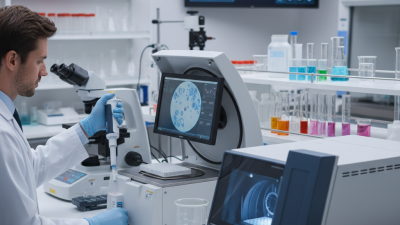
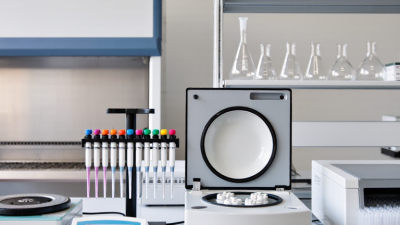
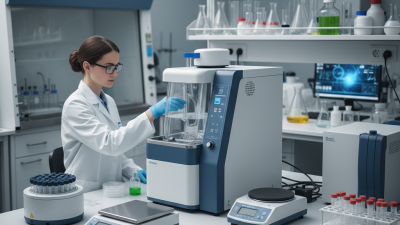
Choosing the right Instruments In A Laboratory requires more than comparing prices or product photographs. Global buyers must examine accuracy, durability, safety, documentation, and after-sales support. A pipette may look simple, yet poor calibration can distort an entire testing program. A balance needs a stable surface. A centrifuge needs reliable speed control and compatible rotors.
Lord Kelvin, a leading measurement scientist, famously said, “To measure is to know.” His statement remains highly relevant for modern laboratories. Every instrument creates evidence, and that evidence must be dependable. Buyers should therefore check calibration certificates, measurement ranges, operating temperature limits, electrical requirements, and replacement-part availability before ordering.
This guide reviews ten essential Instruments In A Laboratory, including microscopes, analytical balances, centrifuges, spectrophotometers, pH meters, incubators, autoclaves, pipettes, fume hoods, and water purification systems. Each instrument serves a different purpose. Some support daily research, while others protect samples, staff, or test results.
Practical details matter. A laboratory in Nairobi may need voltage protection and local technical service. A facility in Berlin may prioritize CE documentation and digital data compatibility. Shipping conditions also matter. Delicate optical components can suffer from vibration, dust, or sudden temperature changes.
No ranking can fit every laboratory. That is the uncomfortable part. A low-cost instrument may become expensive after repeated repairs. A premium model may exceed a small facility’s real needs. Buyers should compare total ownership costs, not only purchase prices. Careful selection, verified specifications, and realistic maintenance planning create stronger purchasing decisions. Mistakes still happen. Good laboratories learn from them.
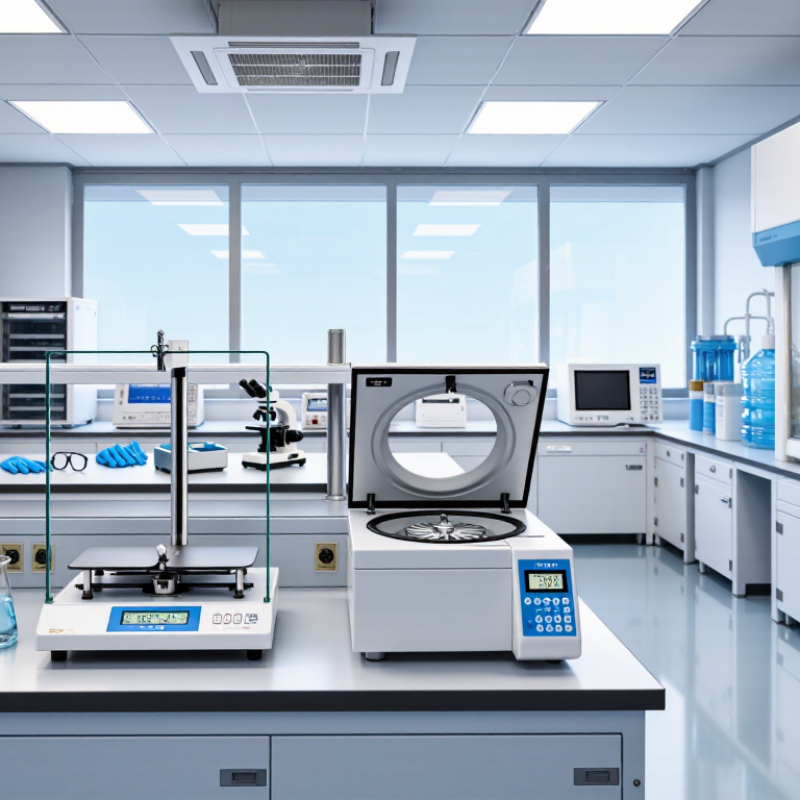
Laboratory instruments serve different purposes, from measuring mass to controlling temperature. A balance supports precise weighing, while a centrifuge separates components by density. Microscopes provide visual inspection, and spectrophotometers measure light absorption. Incubators maintain stable conditions for controlled testing. These tools can be classified as measuring, analytical, separation, imaging, or environmental-control instruments. Classification clarifies workflow needs before purchasing.
Selection should begin with the sample type, required accuracy, testing volume, and operating environment. Check measurement range, repeatability, calibration options, data output, and cleaning requirements. For global buyers, confirm voltage compatibility, plug standards, language settings, spare-part access, and technical support. A low purchase price can hide expensive maintenance. I have seen evaluations overvalue features while ignoring operator training and room conditions. No selection is perfect. Documenting these trade-offs improves reliability and accountability.
Tips: Compare total ownership cost, not only the quoted price. Request calibration documents and user manuals before ordering. Test whether controls remain clear when wearing gloves. Leave space around heat-producing instruments. Review results periodically; an instrument that fits today may limit tomorrow’s workload.
Analytical instruments reveal chemical composition, concentration, purity, and physical behavior. The right selection depends on the sample, workflow, and required accuracy.
An analytical balance measures mass with exceptional precision. A pH meter tracks acidity in liquids and semi-solid samples. A conductivity meter estimates dissolved ionic content. A UV-Vis spectrophotometer measures light absorption and supports concentration testing.
Calibration comes first. Temperature, vibration, and humidity can affect results more than expected.
An FTIR spectrometer identifies functional groups through infrared absorption. High-performance liquid chromatography separates and quantifies compounds in complex mixtures. Gas chromatography analyzes volatile substances with strong separation performance. An inductively coupled plasma optical emission spectrometer measures trace elements in prepared samples. A viscometer evaluates resistance to flow, which helps control oils, polymers, and solutions. A melting point apparatus supports material identification and purity checks.
Practical laboratory experience shows that instrument quality alone cannot guarantee reliable data. Users should examine detection limits, repeatability, software controls, maintenance needs, and local technical support. Global buyers also need suitable voltage, documentation, spare parts, and recognized calibration procedures. A lower purchase price may create higher operating costs later.
Not always. Sample preparation often introduces greater error than the instrument itself. I would also question automated results without reviewing blanks, standards, and unexpected readings. Reliable laboratories document every adjustment and investigate results that do not fit the sample history.
Reliable testing begins before analysis. Sample preparation and handling equipment control contamination, volume errors, temperature shifts, and identification mistakes. The World Health Organization’s Laboratory Quality Management System handbook identifies the pre-examination phase as a major source of laboratory errors. This makes pipettes, analytical balances, centrifuges, vortex mixers, homogenizers, water baths, tube racks, and automated liquid handlers essential purchasing priorities.
ISO 15189:2022 also stresses controlled processes, equipment maintenance, traceability, and staff competence. In practical purchasing, buyers should compare calibration records, operating ranges, material compatibility, and cleaning procedures.
A centrifuge may appear powerful, yet poor rotor balance can damage samples and shorten service life. A pipette may look precise, but worn seals can create invisible volume variation. These details matter.
The World Health Organization’s 2023 laboratory biosafety guidance further supports risk-based handling, sealed containers, and clear workflow separation. The cheapest option is not always economical.
Tips: Match equipment capacity with daily sample volume. Check calibration support in the destination country. Request temperature mapping for incubators and water baths. Test a small batch before full procurement. Keep backup consumables available. One overlooked issue is user training. Even excellent instruments can produce unreliable results when operators rush steps or ignore maintenance logs. Expect some workflow friction, and review it honestly.
Choosing laboratory instruments requires more than comparing prices and technical specifications. A reliable balance should sit on a stable bench, away from vibration and airflow. A pH meter needs fresh calibration buffers, clean electrodes, and controlled storage. Centrifuges require secure lids, balanced tubes, and documented rotor inspections. Small oversights can cause serious errors.
Global buyers should request calibration certificates, operating ranges, uncertainty data, and service requirements before purchasing. Instruments used for regulated testing may need traceable calibration through an accredited laboratory, such as one operating under ISO/IEC 17025 principles. Electrical safety, emergency stops, protective covers, and clear user instructions also matter. Local voltage, plug types, environmental conditions, and import requirements should be checked early.
Maintenance plans must be practical, not decorative. A spectrophotometer may need lamp checks and wavelength verification. An incubator needs temperature mapping, cleaning, and alarm testing. An autoclave requires routine validation and inspection by trained personnel. Keep spare seals, filters, electrodes, and approved cleaning materials available. Do not rely only on an annual service visit.
A perfect checklist is impossible. It can still prevent avoidable failures. Operators should record faults, repairs, calibration dates, and unusual readings. Training records should be easy to retrieve. When accuracy suddenly changes, investigate the sample, method, environment, and instrument instead of blaming one cause. Safety improves when maintenance becomes an everyday habit.
10 Best Instruments in a Laboratory for Global Buyers
The best laboratory instruments depend on testing goals, sample volume, and local working conditions. Common choices include analytical balances, microscopes, centrifuges, pH meters, spectrophotometers, incubators, autoclaves, water purification systems, pipettes, and laboratory refrigerators. Quality starts with stable readings, durable materials, clear manuals, and practical calibration procedures. In daily use, a balance placed near vibration can lose accuracy. That detail is easy to miss.
Compliance requires more than a certificate attached to a quotation. Buyers should check electrical specifications, safety documentation, calibration records, language requirements, and import conditions for the destination market. A 220-volt instrument may not suit every facility. Confirm plug type, frequency, software requirements, and maintenance intervals before ordering. I have learned that unclear documentation often creates more delay than shipping itself. Still, no checklist is perfect.
Tips: Compare total ownership cost, not only the purchase price. Include freight, installation, consumables, calibration, training, and repairs. Ask suppliers for sample reports, spare-parts availability, response times, and remote support options. A lower-cost instrument can become expensive when one small component is unavailable. Request a realistic lead time in writing. Also, test supplier communication before purchase; slow answers may signal future support problems. Local technicians can reduce downtime, but their availability should be verified rather than assumed.
2106 N Glassell St, Orange, CA 92865
(714)-754-6669 | sale@site_be823a56-9df9-438e-acac-cd7d504ea0ad
Monday: 8:00 AM – 4:30 PM
Tuesday: 8:00 AM – 4:30 PM
Wednesday: 8:00 AM – 4:30 PM
Thursday: 8:00 AM – 4:30 PM
Friday: 8:00 AM – 4:30 PM